Natural support for Diverticulosis
What is Diverticulosis?
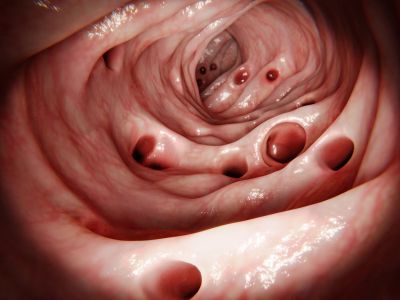
Diverticulosis is the presence of diverticula — small, sac-like protrusions that form in the wall of the colon.
It is a very common condition, particularly in the Western world, and its prevalence increases with age. A Western-style diet low in fibre and polyphenols, chronic constipation, prolonged gut transit time, physical inactivity, obesity, gut dysbiosis, medications such as NSAIDs, and genetic predisposition — including connective tissue disorders such as Ehlers-Danlos syndrome — are some of the factors associated with an increased risk of diverticulosis. Interestingly, HRT has also been associated with an increased risk of this condition (Tursi et al., 2020).
You may be completely unaware that you have diverticulosis because it is usually asymptomatic. Roughly 75–80% of people with these small pouches in their colon never experience any signs or symptoms, and the condition is often discovered incidentally during a routine colonoscopy or CT scan.
However, when diverticula become inflamed, you may experience pain, usually in the lower left side of the abdomen, particularly around the sigmoid colon. Changes in bowel movements, bloating and fever can occur too. If blood vessels surrounding a diverticulum rupture, rectal bleeding may also occur.
Symptoms are thought to occur, and persist, due to a low-grade inflammation, which could develop due to gut dysbiosis, and particularly higher level of Proteobacteria (Tursi et al., 2019).
If you have diverticulosis, one thing you can do today is increase your fibre intake.
Numerous studies have demonstrated a protective and supportive role for dietary fibre in diverticular disease. And contrary to what you may have been told, nuts, seeds and popcorn are absolutely fine for most people. Older guidelines recommended avoiding nuts and seeds because of the theoretical concern that they could become trapped inside a diverticulum and trigger inflammation. However, this has since been refuted by research.
A predominantly plant-based diet, such as a vegetarian or Mediterranean-style eating pattern, may be beneficial because it provides plenty of fibre and polyphenol-rich plant foods, which help to reduce inflammation and therefore the risk of symptomatic diverticular disease.
In contrast, a Western-style diet high in red meat and fat is generally discouraged.
Adequate hydration and regular physical activity are important too.
Dietary and lifestyle modifications, alongside natural supplements targeted at reducing inflammation, suporting bowel transit time and gut microbiome, play an important role in the management of diverticular disease.
If you would like to find out how you can support this common condition through nutrition and lifestyle, you can contact me here.