IBD - Ulcerative Colitis & Crohn's
My approach to IBD is based on Dr Hawrelak’s protocol, developed over 20 years of clinical practice.
Inflammatory bowel diseases (IBDs), including Crohn’s disease (CD) and ulcerative colitis (UC), are conditions marked by dysregulated inflammation in the gastrointestinal tract. Although the underlying causes of IBD are not completely understood, both involve complex interactions between genetic predisposition and environmental triggers, such as diet, gut microbiota imbalances and immune dysfunction, which can lead to chronic inflammation, gut barrier destruction, further microbial imbalance and often debilitating symptoms.
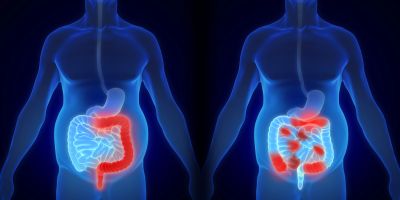
Crohn’s disease can affect any part of the digestive tract, whereas UC is confined to the colon.
IBD affects approximately 7 million individuals globally, with prevalence increasing in regions characterised by a Western-style diet rich in sugars, processed and saturated fats, and additives, and low in fibre.
Symptoms can vary but often include urgent diarrhoea, abdominal pain, bloating and general digestive discomfort. Rectal bleeding is a hallmark symptom of Crohn’s disease and UC.
There are also often extraintestinal manifestations of IBD, such as skin issues or joint pain. In paediatric Crohn’s disease, due to an increased risk of poor nutrient absorption, growth failure can also occur.
Although neither Crohn’s disease nor UC can currently be cured, both diseases can be managed with diet, lifestyle and appropriate supplementation, so that you can live a normal, happy and productive life.
A Mediterranean-style eating pattern is a sensible foundation for most people with IBD, which is rich in fresh produce, vegetables and fruits, omega 3 fatty acids, olive oil, complex carbohydrates - wholegrains and legumes, and lean protein, while limiting ultra-processed foods, added sugar, food additives such as emulsifiers, artificial colours, and salt.
Diet is only one element of natural approach to managing IBD. Lifestyle and natural supplements can play an important role as well.
For example, smoking is clearly detrimental in Crohn’s disease and is associated with a more severe disease course. The relationship is more complex in ulcerative colitis though: UC is less common among current smokers, and some individuals develop UC or experience increased disease activity after smoking cessation. Nicotine may contribute to this association by activating so colled nicotinic acetylcholine receptors, which are involved in cholinergic anti-inflammatory signalling. As much as intriguing it may sound, smoking is never recommended as a treatment for UC because its overall health harms far outweigh any potential benefit.
Reducing stress load and alcohol intake are important strategies in IBD.
Reducing inflammation is vital in IBD, and natural supplements may support this process. For example, vitamin D supplementation was shown to reduce IBD-related emergency department visits, hospitalizations, and corticosteroid use, supporting its potential role in IBD management.
Omega 3 can reduce pro-inflammatory cytokines activity, and thus helps to achieve and maintain remission.
As with any condition and intervention, one size doesn't fit all. Treatment should always be adjusted to your individual needs, current medications and presenting symptoms.
If you are interested in learning more, or booking a consultation, you can contact me here.